
Select your language




AMBER
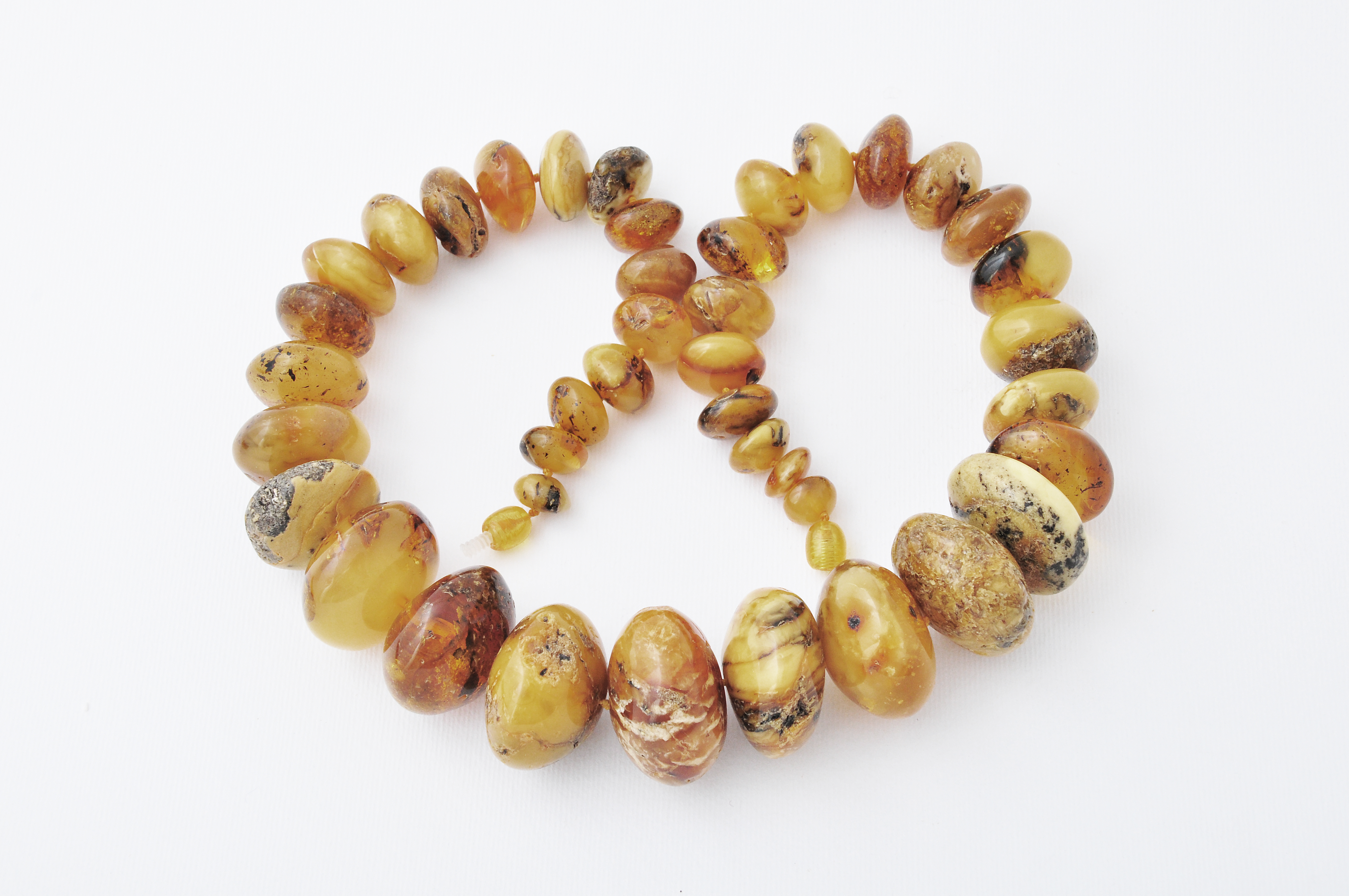
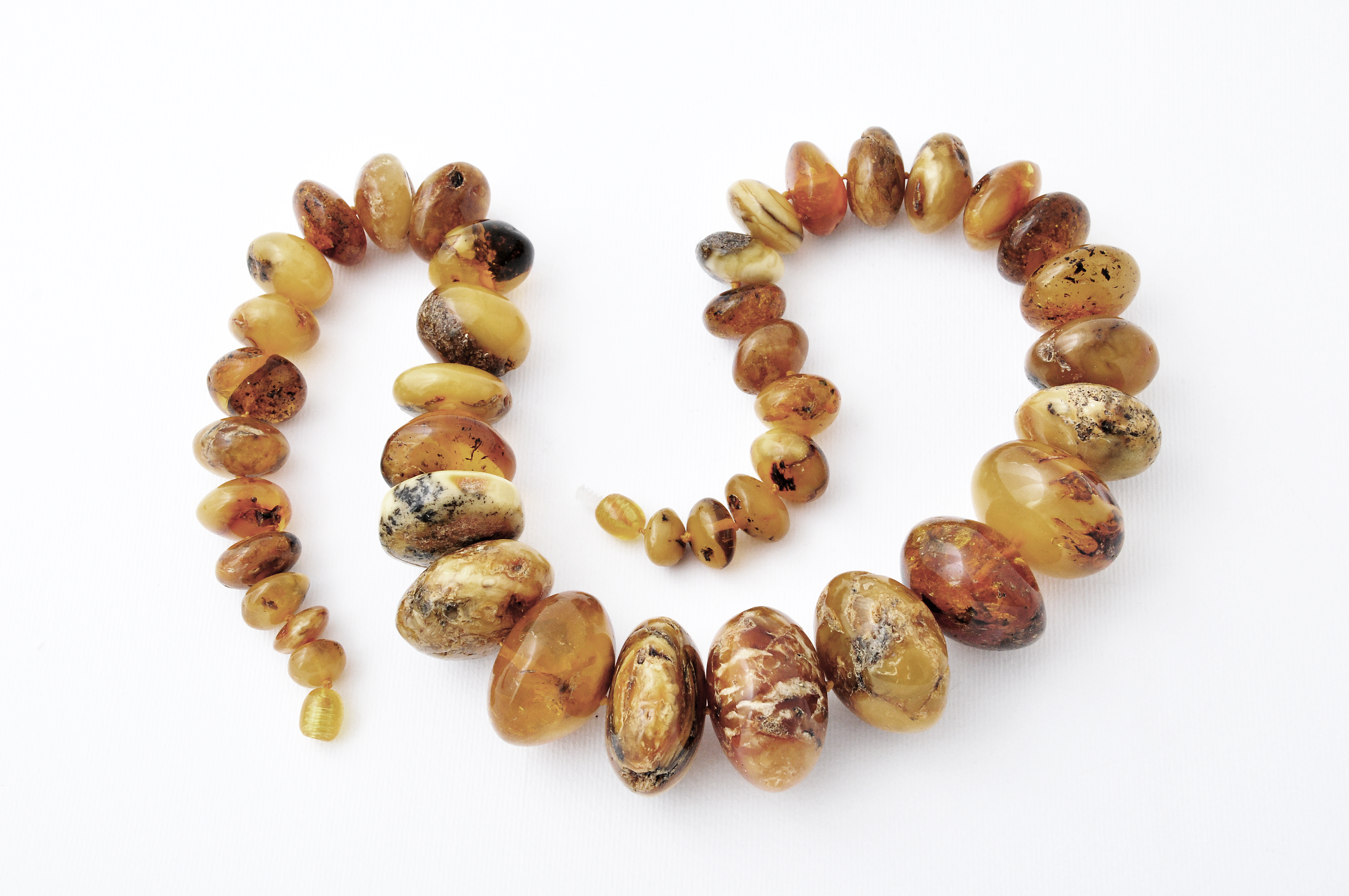
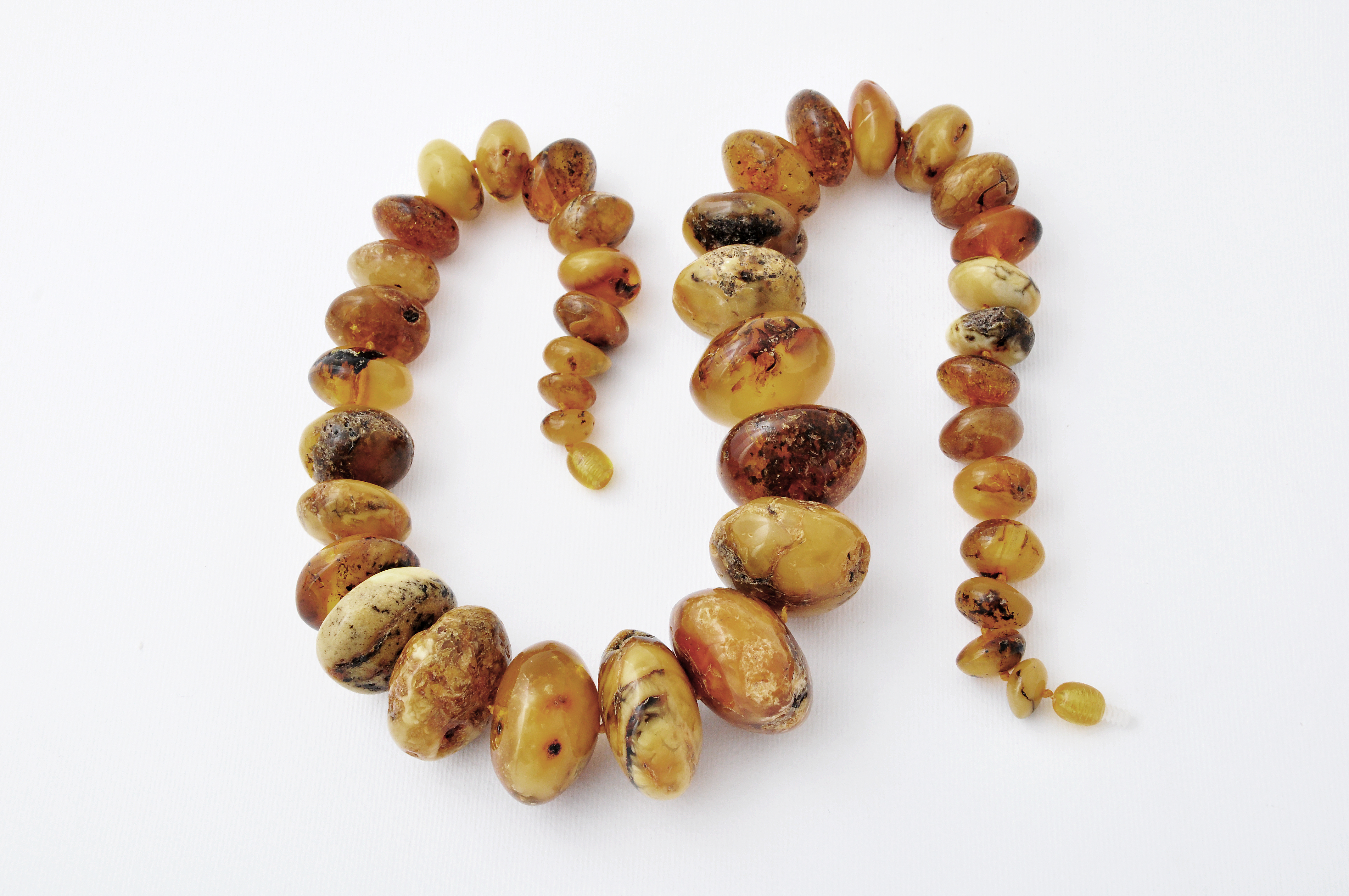
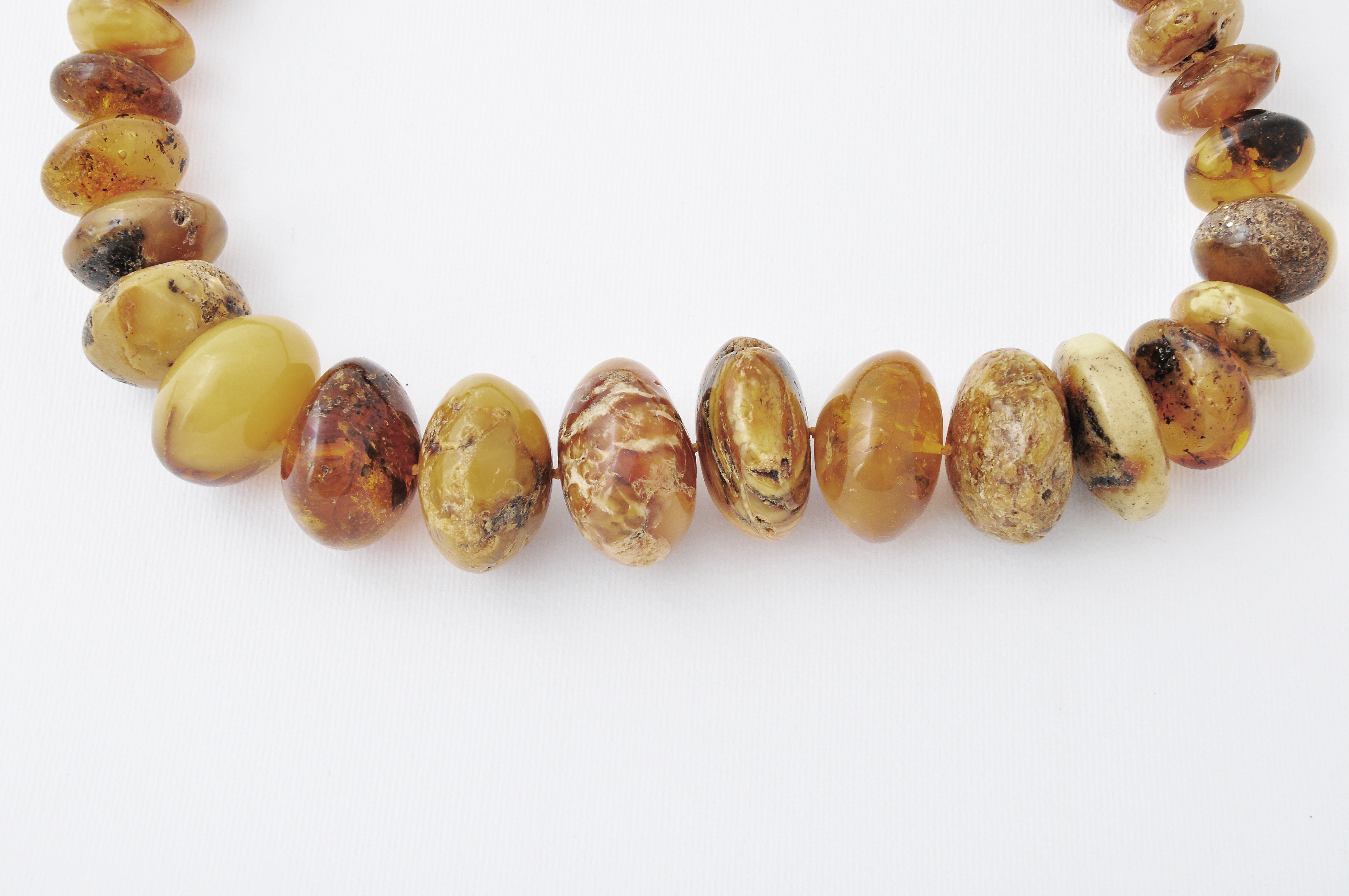
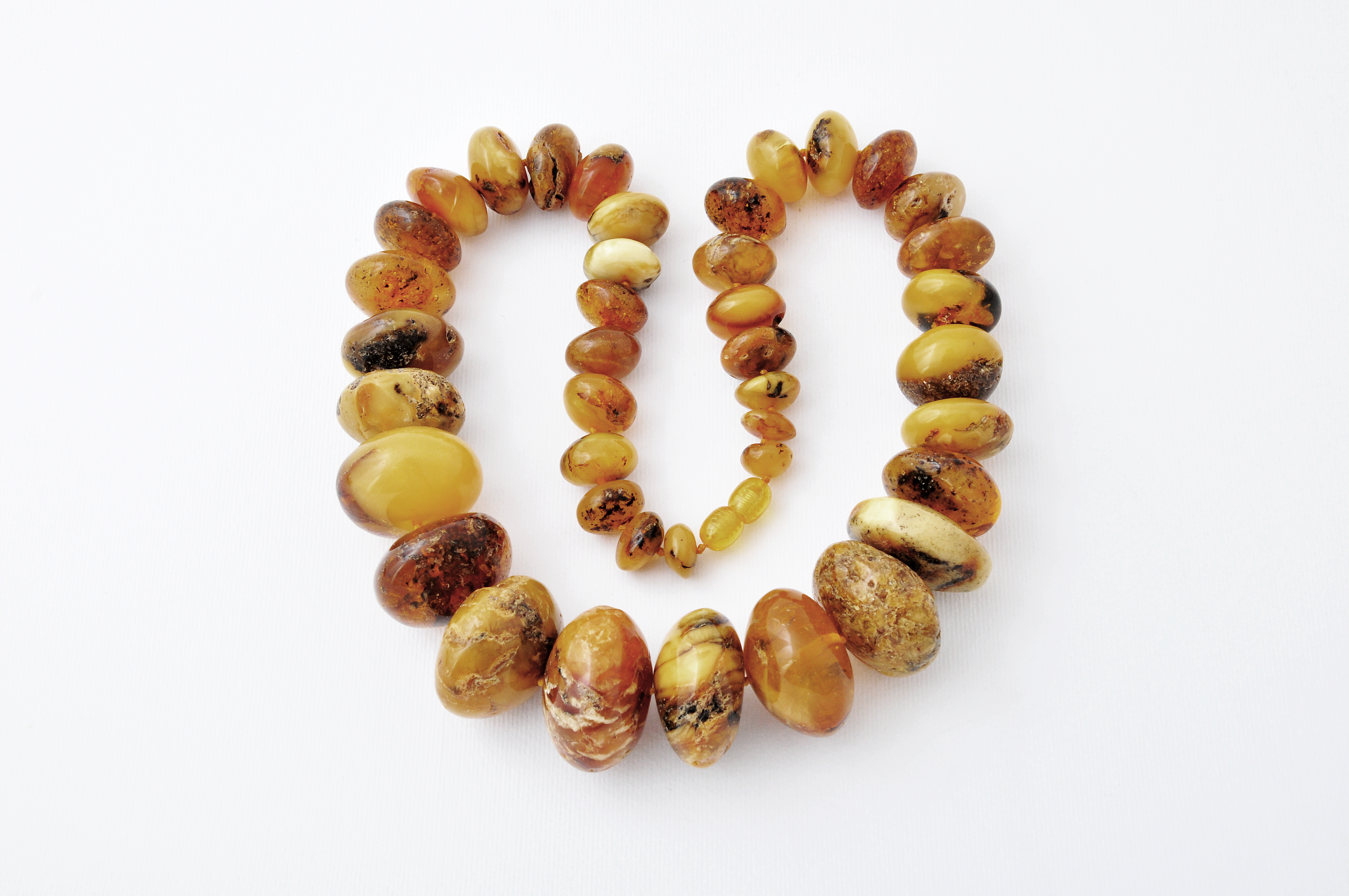
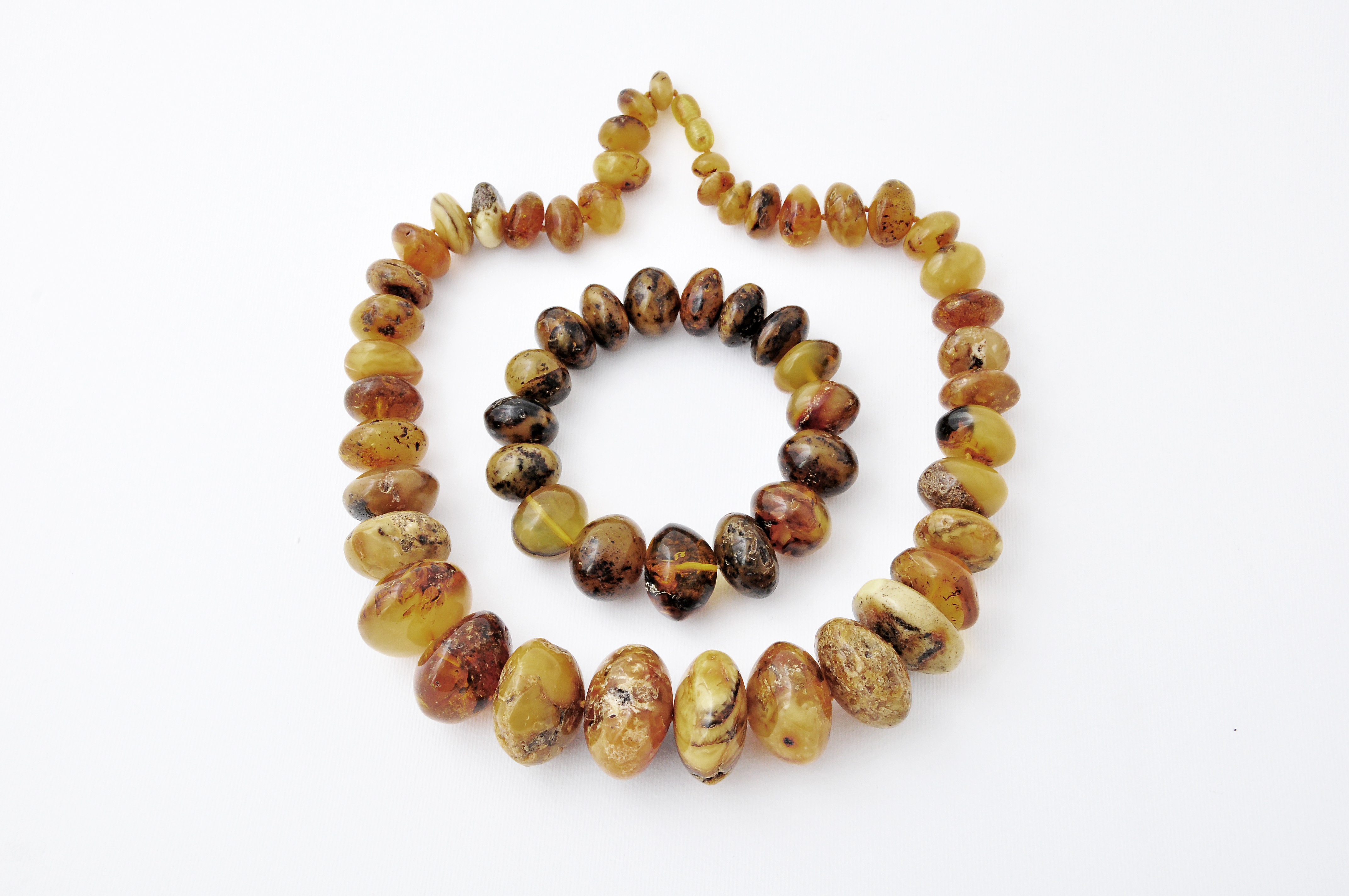
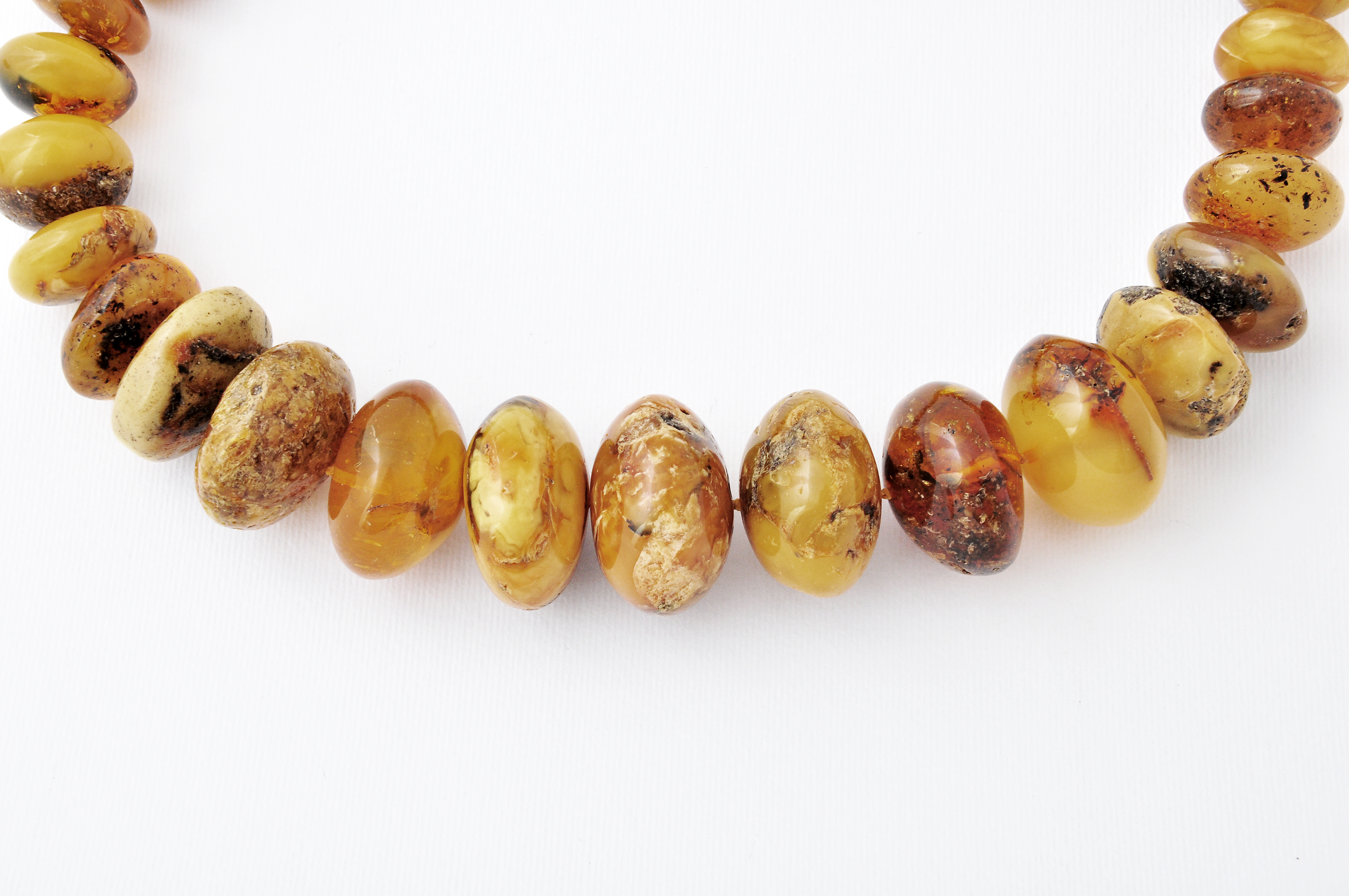
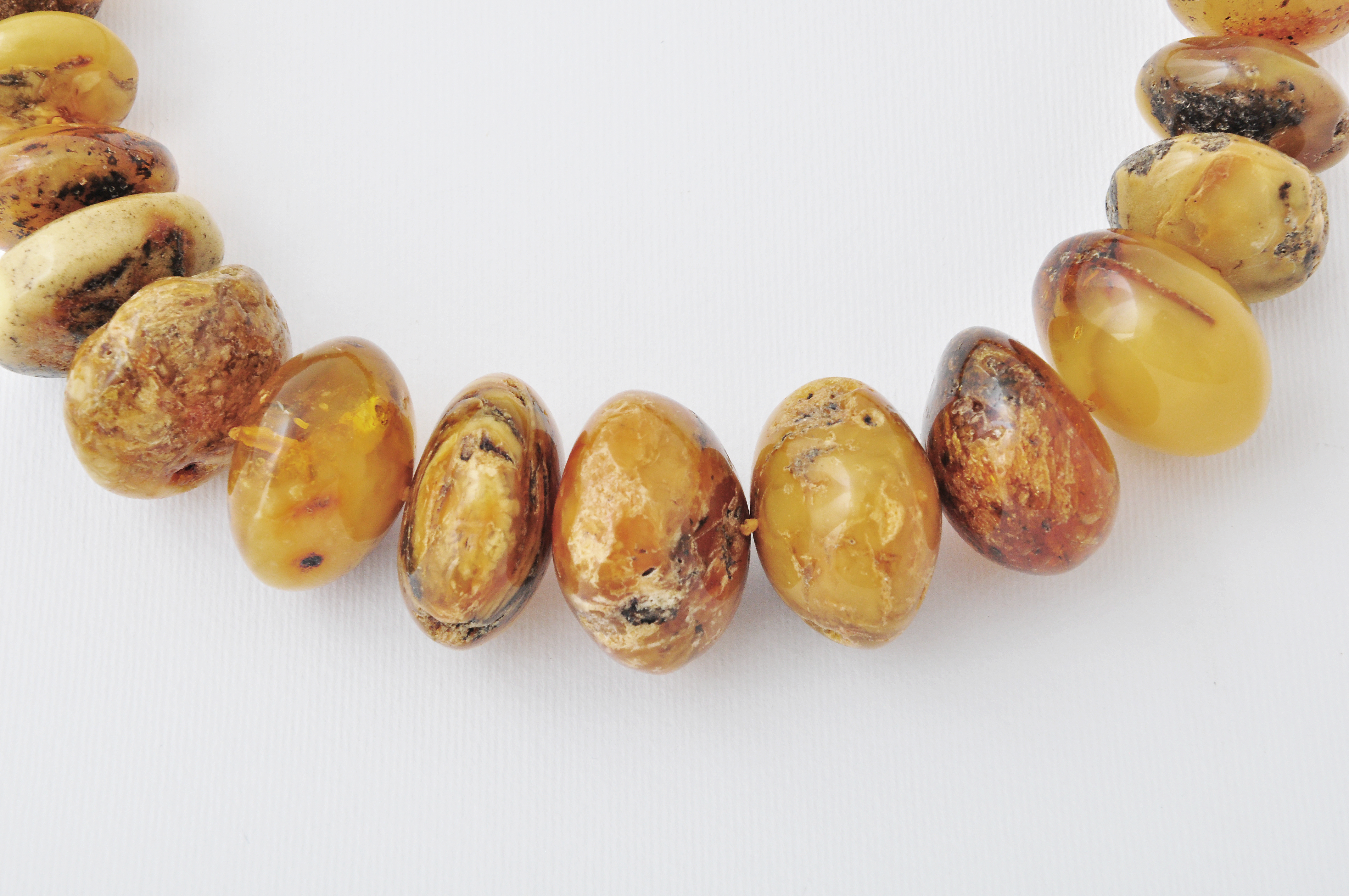
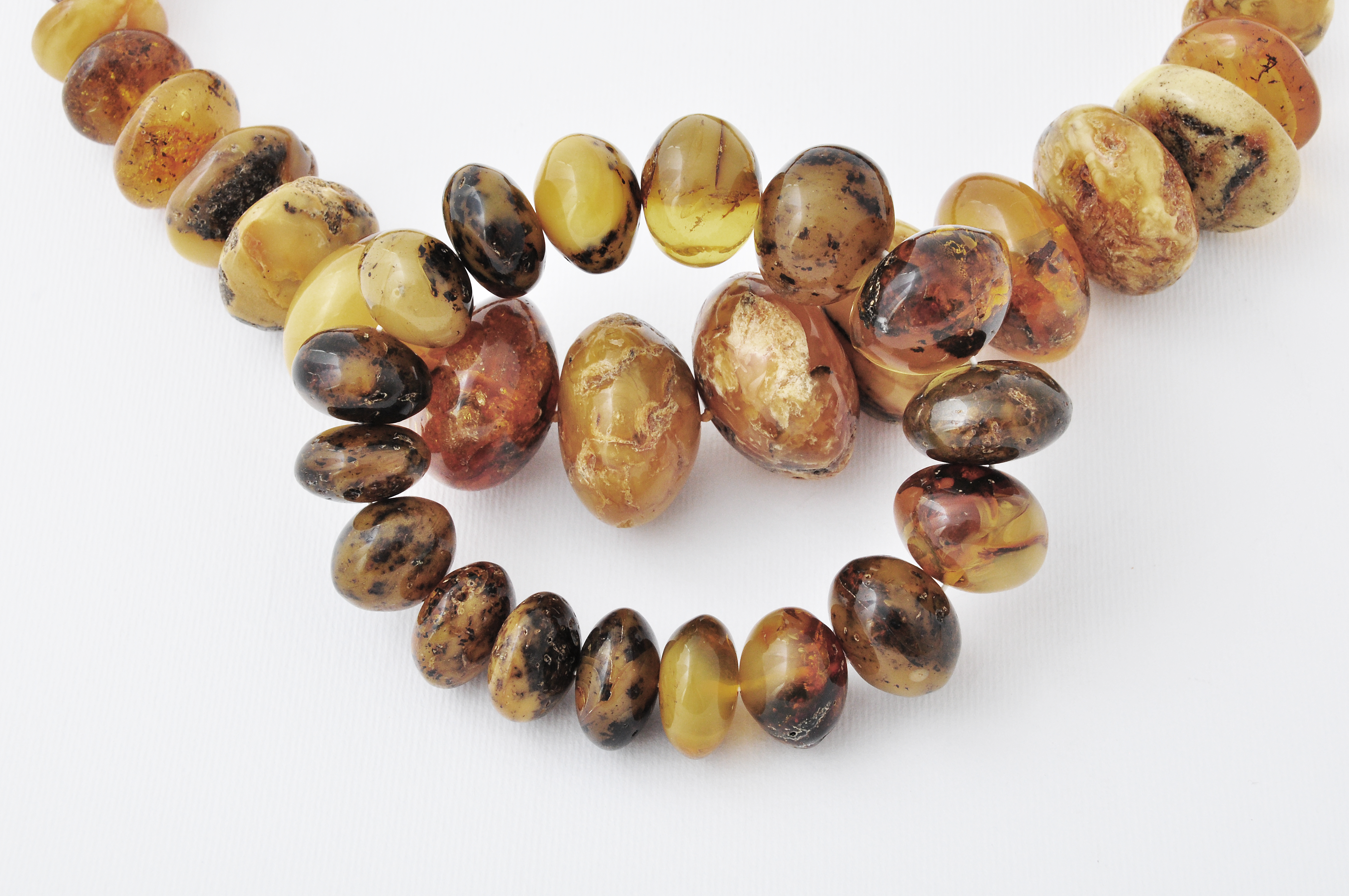
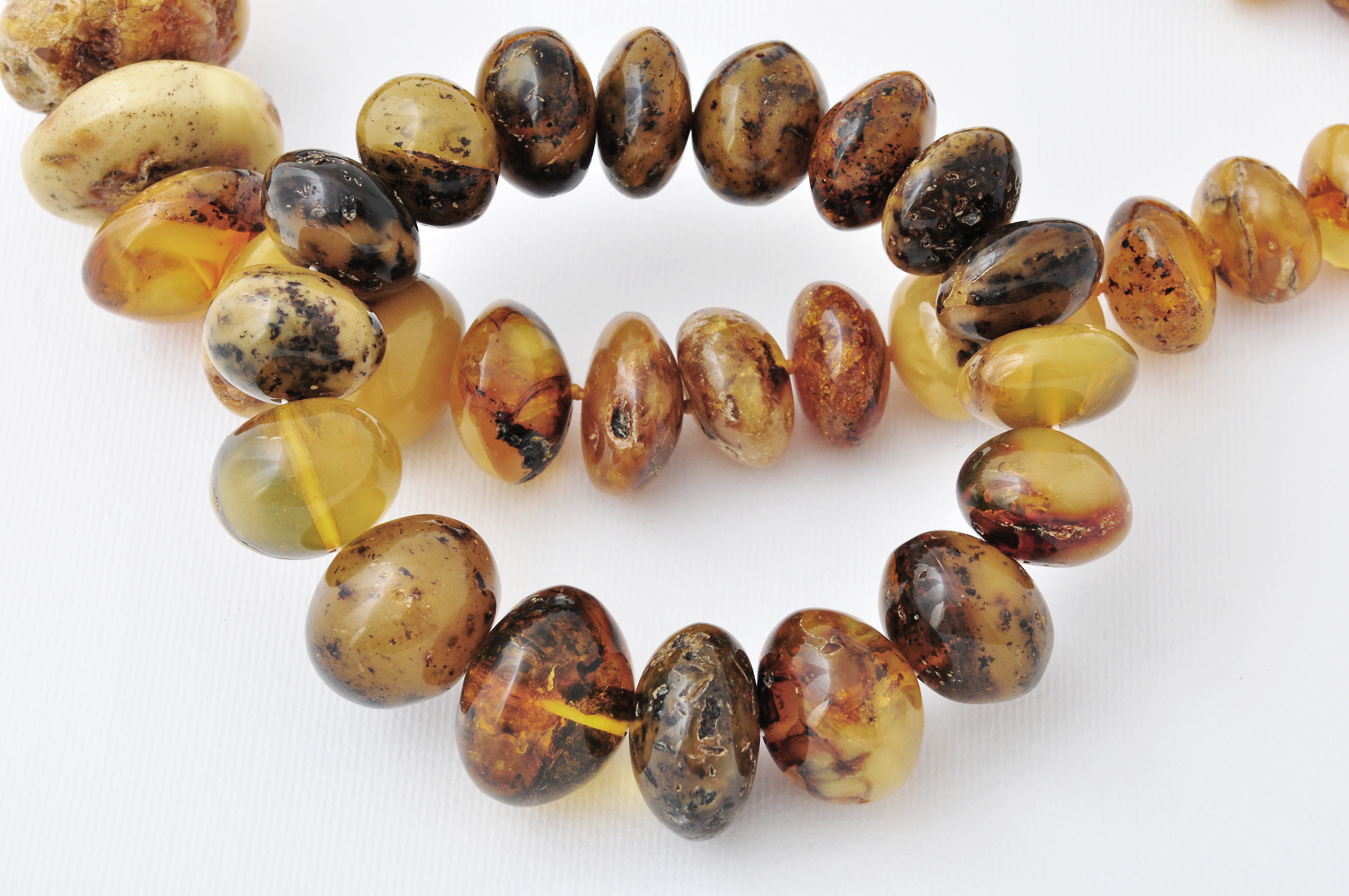
Amber is a fossil resin, which in the process of fossilization loses a large part of its volatile components - C10H16O4. It is a hardened resin from coniferous trees, mainly from the extinct species Pinus succinifera. It was formed mainly during the PALEOGENE - 50 million years ago. It is located in the form of irregularly shaped pieces, sometimes of very large sizes, often covered by a weathering crust. The coconut is amorphous, but has crystalline phases. In addition to hydrogen, oxygen and carbon, it also contains sulfur and other minerals. It has a hardness of 2-2.5 according to Mohs. The color varies from pale yellow to orange and reddish-brown. Specialists distinguish more than 200 colors and hues of amber.
Amber is the most ancient jewelry stone. Even in the Stone Age it was used for ornaments. The earliest finds range from the 7th century BC. Amber has a centuries-old history. It was sung by Homer. In ancient Rome, a cup of amber could buy a young, healthy slave. To what extent amber was valued can be judged by the fact that Nero undertook a military campaign towards the deposits in the Ostsee and called the main trade route the amber street. The Mohammedans decorated the coffin of Mohammed with amber. Amber bracelets were found on the skeletons of the Vikings.
The most famous work of art from the 18th century.t.har. an amber room was made in Prussia and presented by Frederick I to the Russian Tsar Peter I (THE GREAT) in 1716.
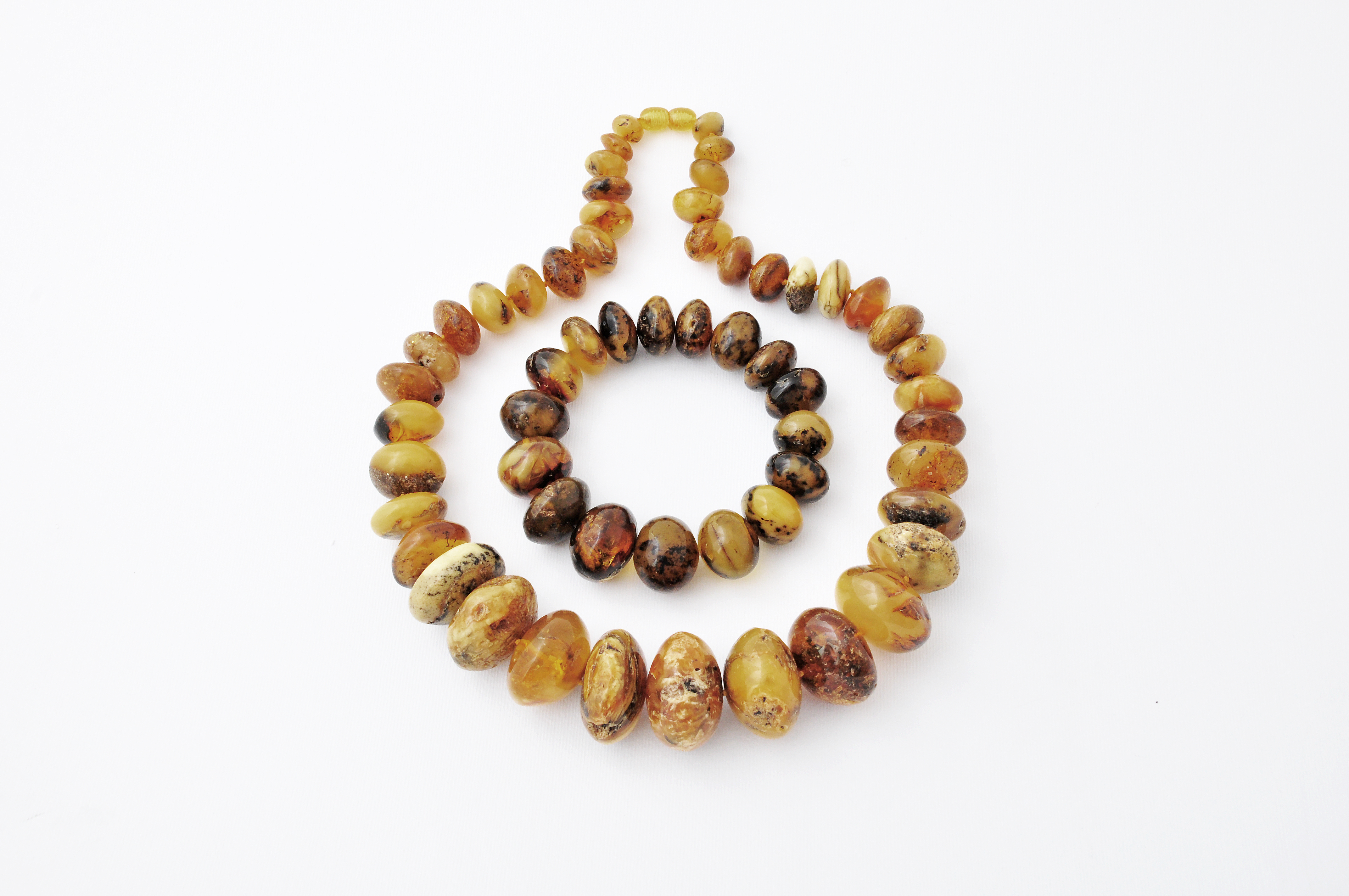
Nowadays, jewelry, earrings, necklaces, rings, bracelets, pendants and decorative items are made from amber.
Deposits: on the shores of the Baltic Sea, that's why they call it the gold of the north.