 dsc_0610cr6.jpg

Select your language



 dsc_0610cr6.jpg
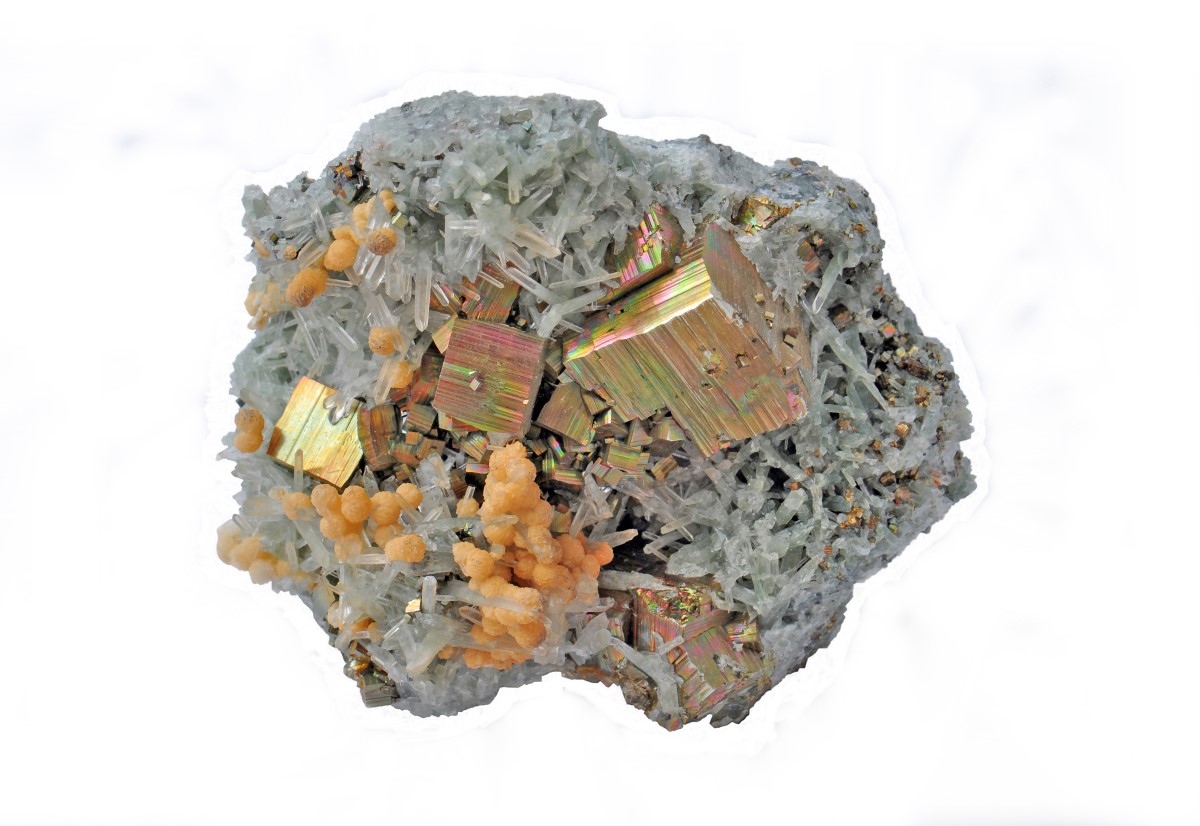
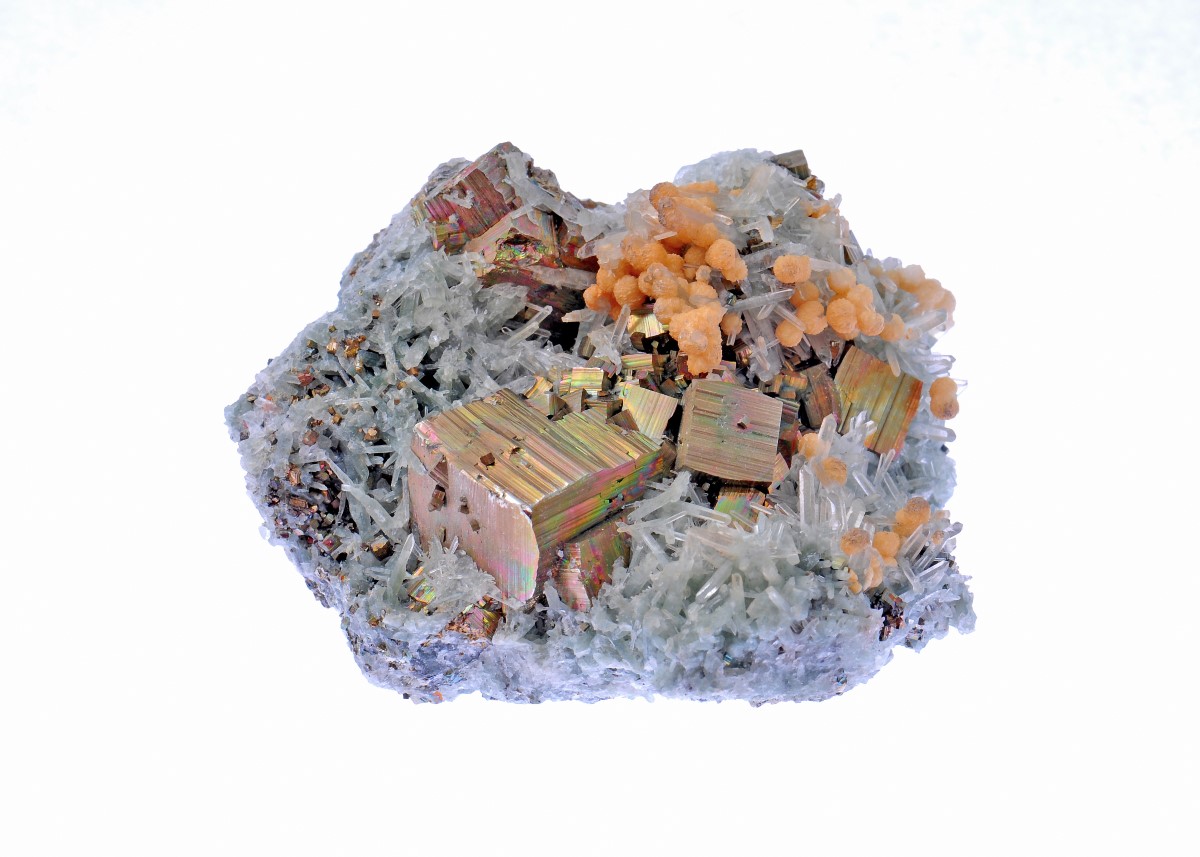
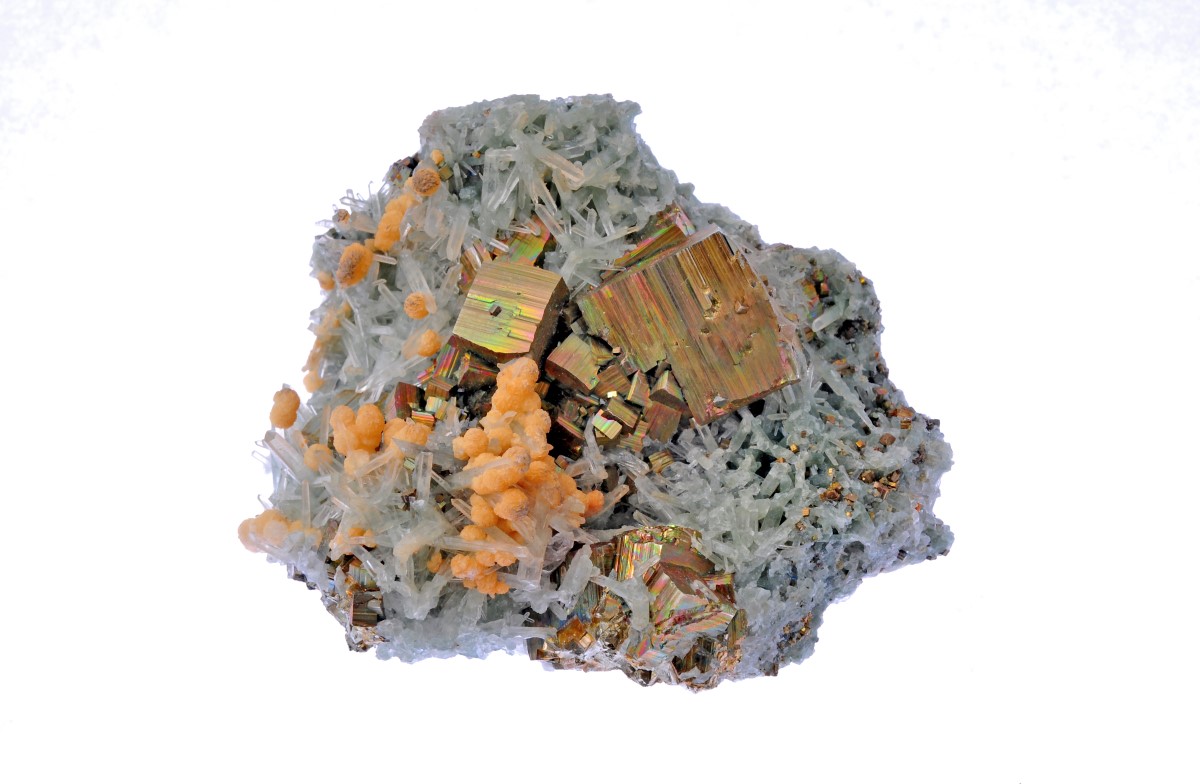
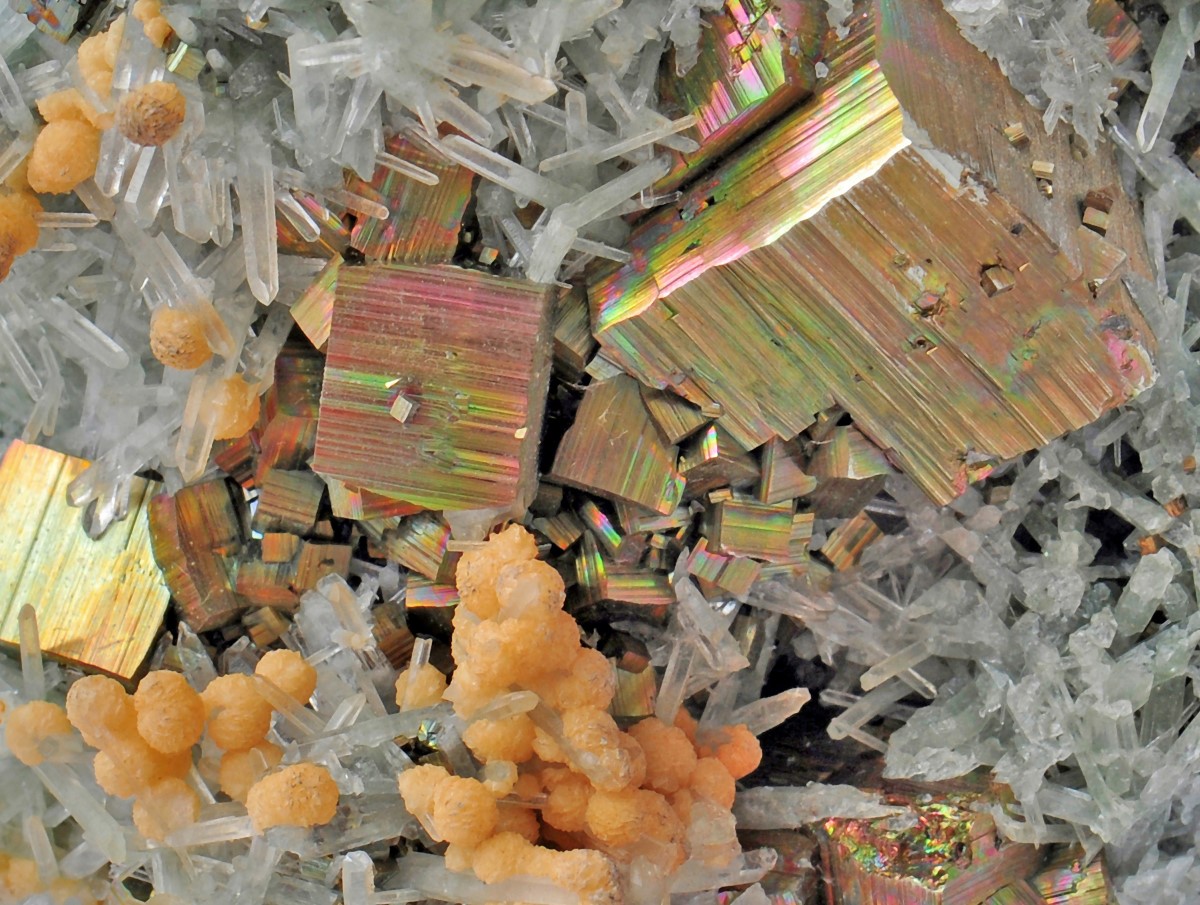
Quartz is one of the most widespread in nature silicate minerals. It is 12% of the lithosphere. Silicity occupies the second place after the oxygen forming the earth's crust. It forms the silicate minerals together with the oxygen. It forms silicon-oxygenated tetrahedra (SiO4) like polymers, can bind differently to each other.
The quartz group includes varieties of the same and simple composition - SiO2. There are polymorphic varieties of quartz that have the same composition but are formed at different temperatures and pressures, with different properties such as quartz, tristimitis, crystobalite, coecite and schistosite. All the numerous varieties of quartz can be divided into crystalline (crystals) , cryptocrystalline (microcrystalline) -milk crystals forming aggregates or colloform.
Pyrite is actually iron disulphide (FeS2), and the metallic crystal is formed in cube-shaped nodes, some confusing piers with Marcasite, as it is also iron sulphide but crystallizes in a different way, is unstable and often breaks down Attempts to be processed. Its composition may have a presence of gold, silver, cobalt, nickel, copper, zinc and others. The main raw material for production of sulfuric acid.