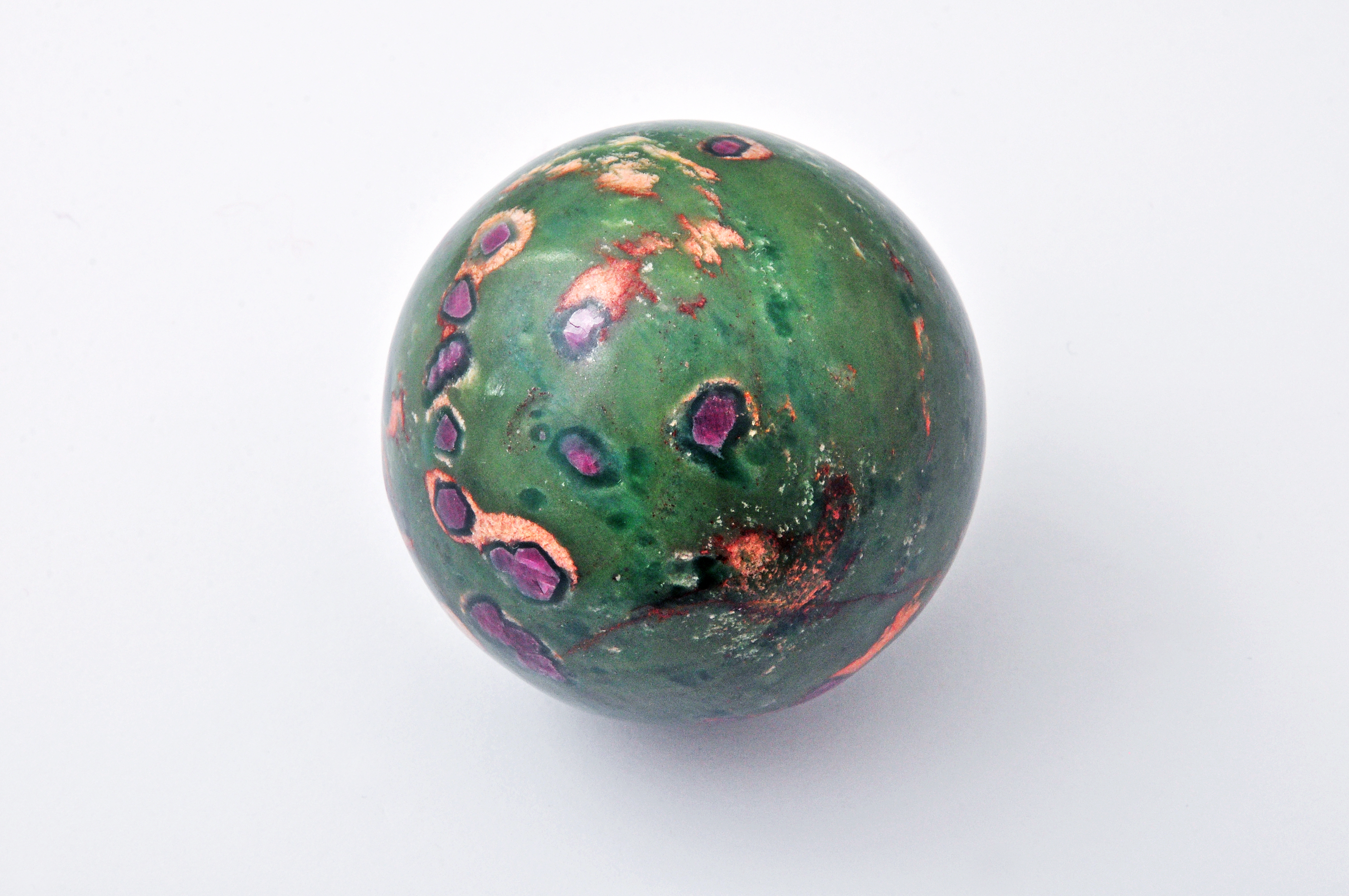
Zoisite

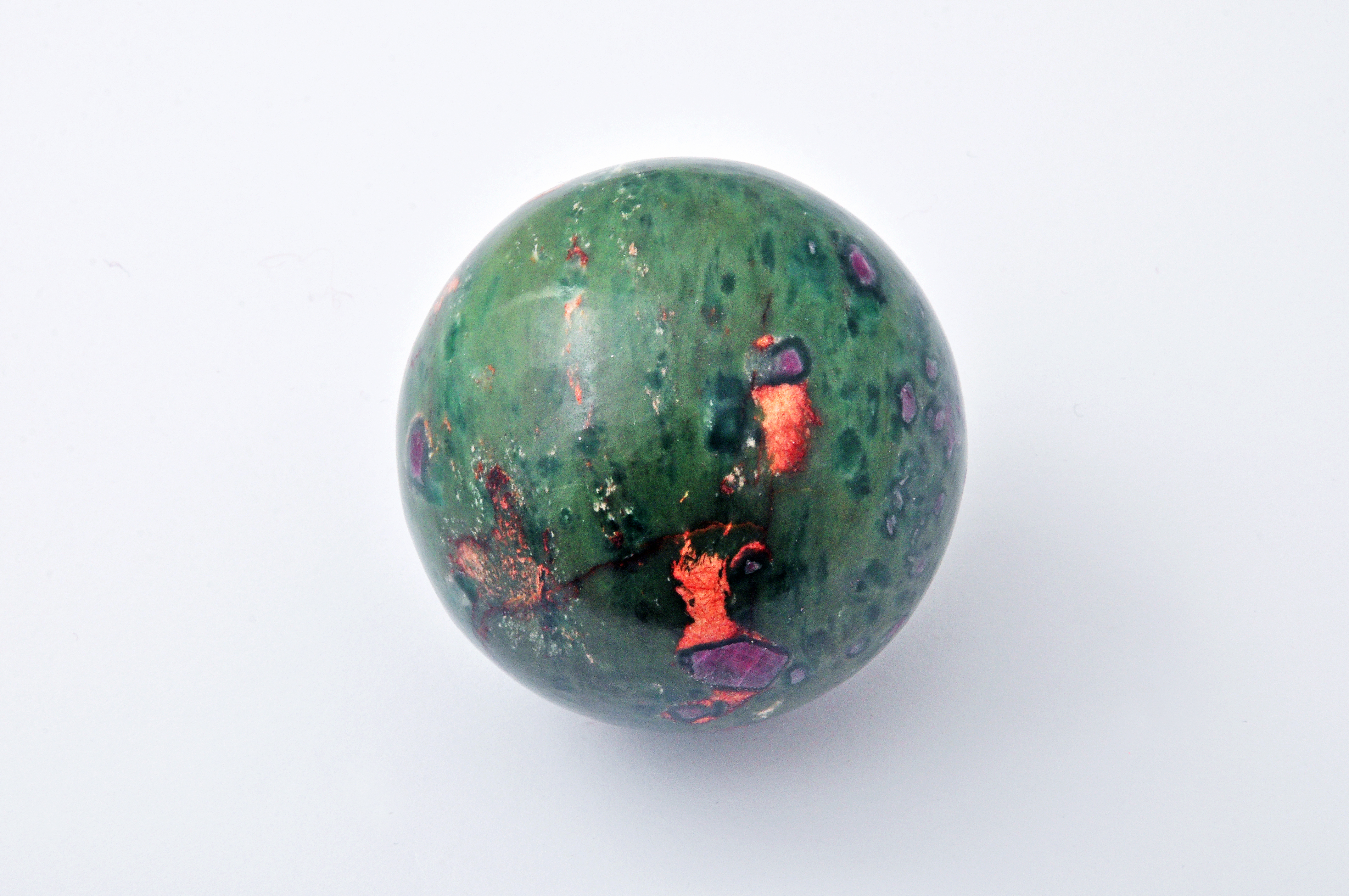
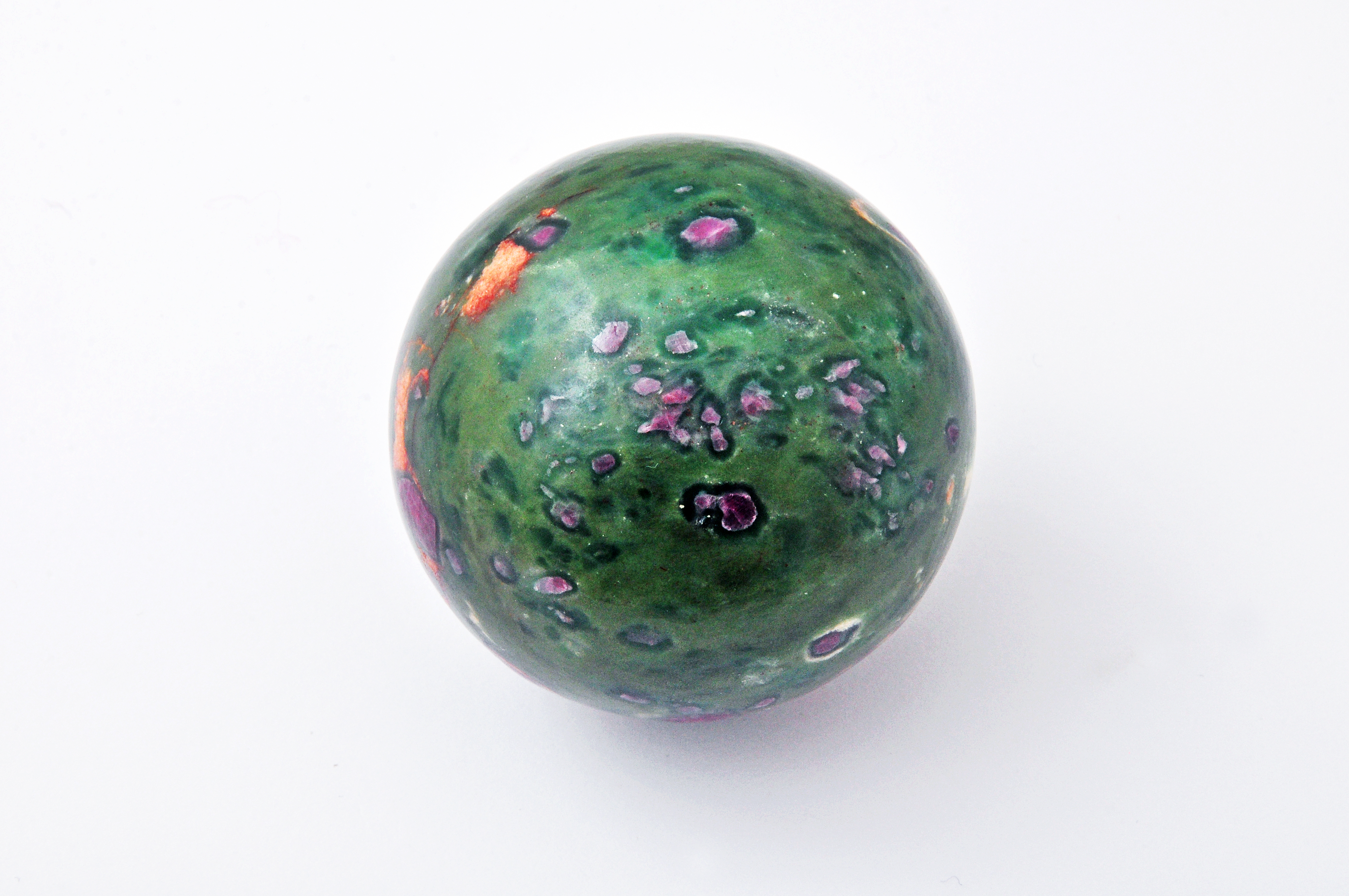
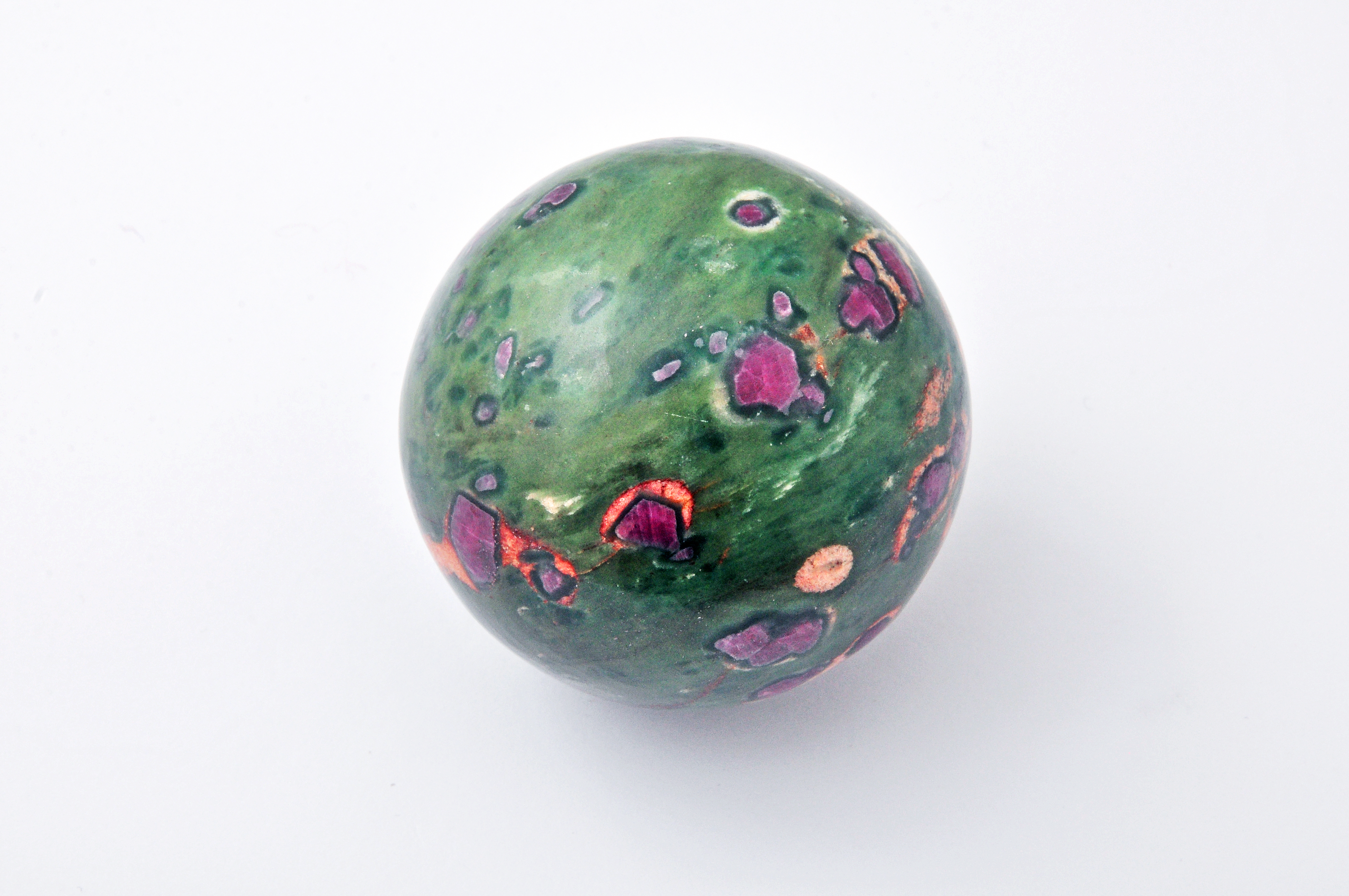
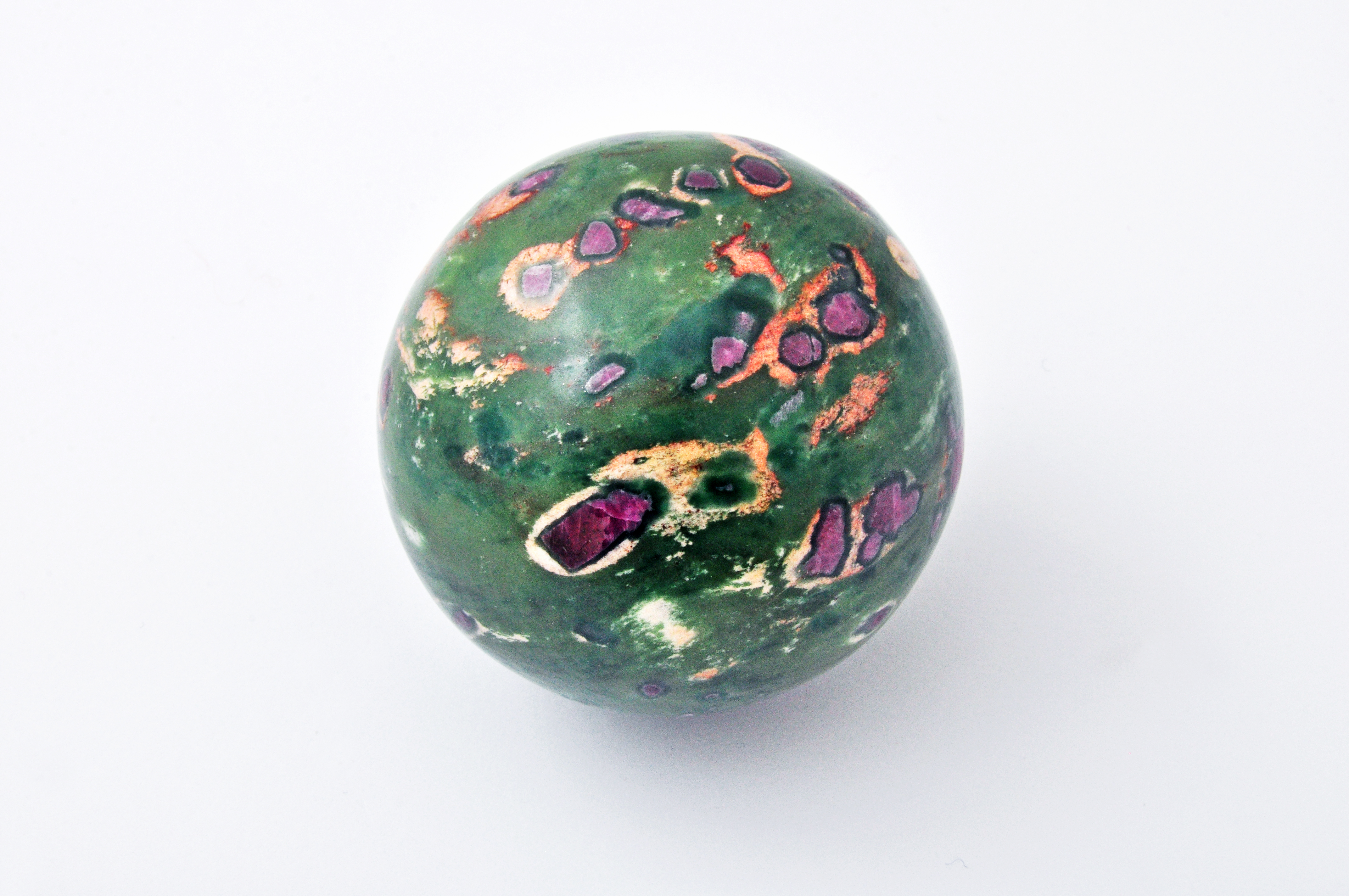
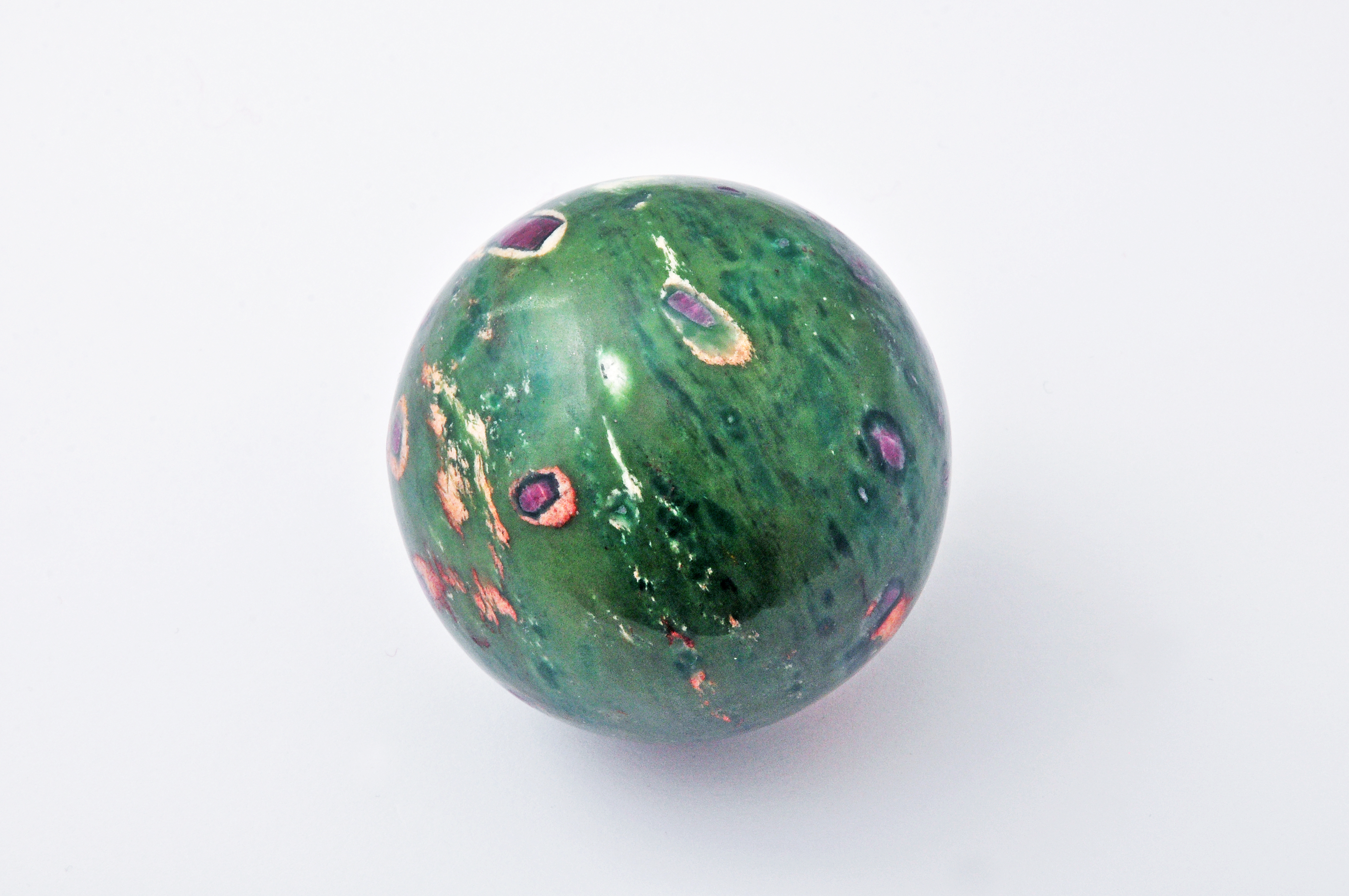
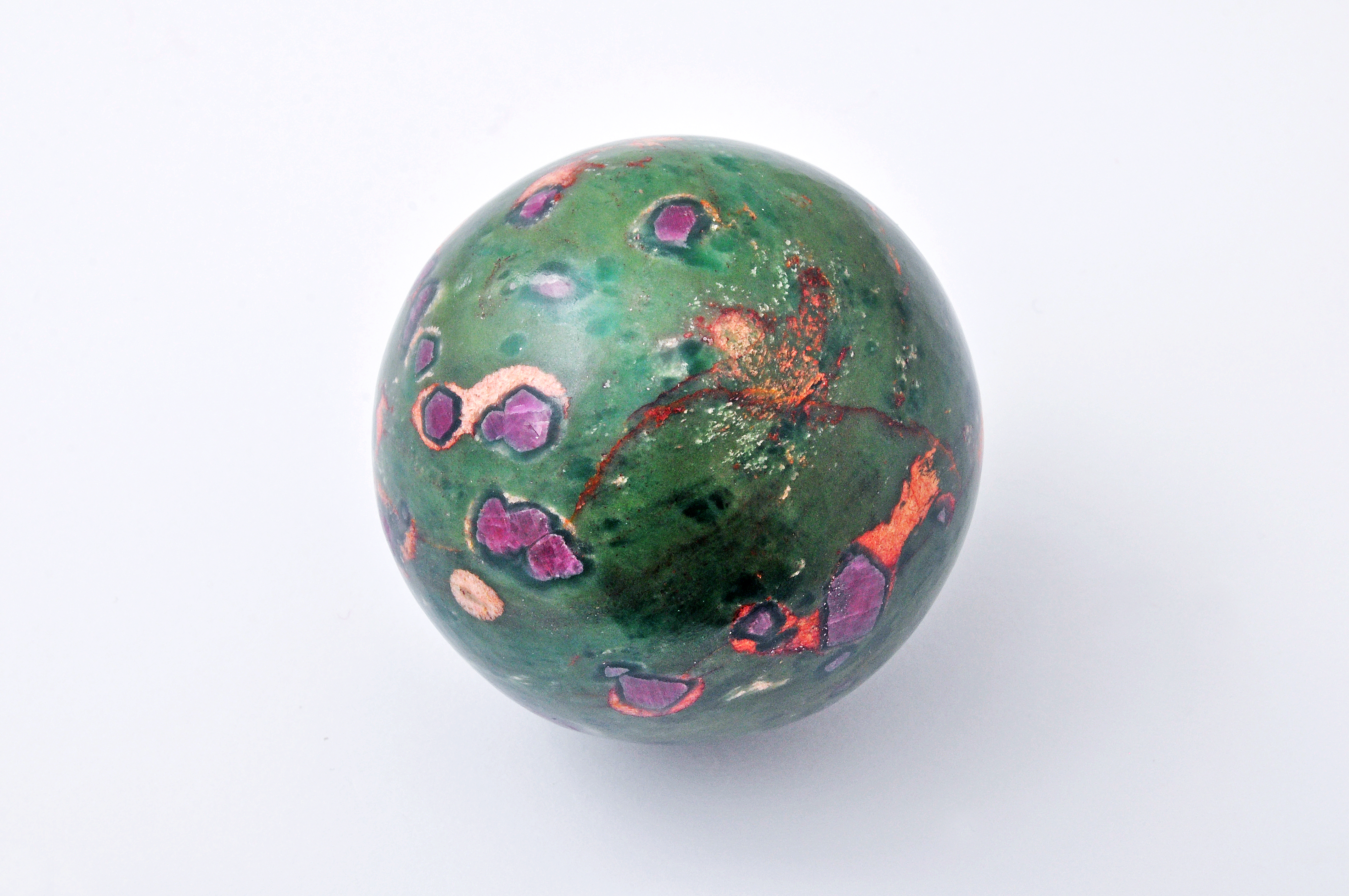
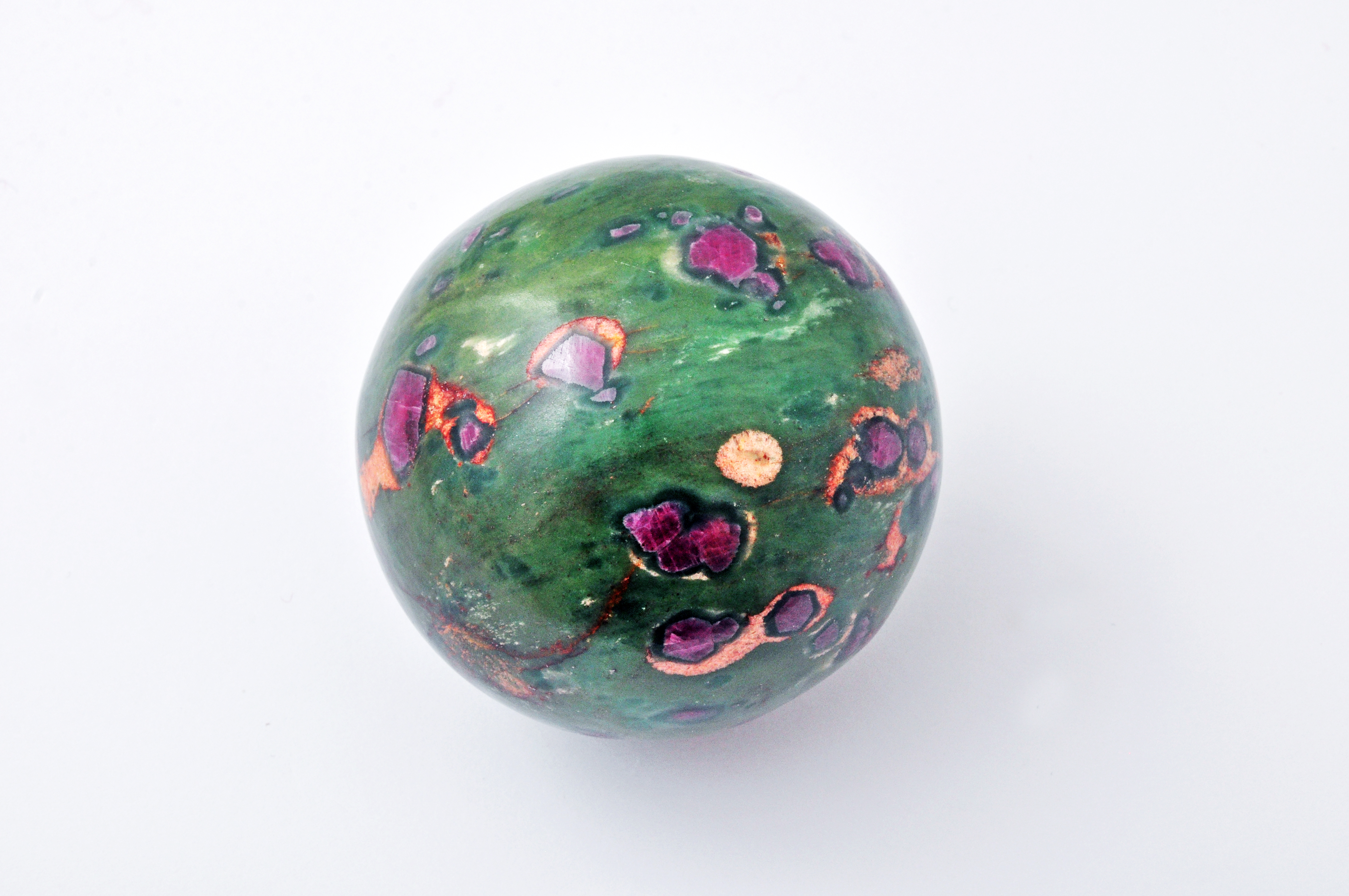
Zoisite with ruby sphere, with beautiful colors, India
153,00 €
Product Height :
60.00MM
Product Weight :
412.00G
Product SKU :
ZOISRUBSPH0005
Description
Zoisite
Zoisite, first known as saualpite after its type locality, is a calcium-aluminum hydroxysorosilicate belonging to the epidote group of minerals. Its chemical formula is Ca₂Al3O(OH). Zoisite occurs as prismatic, orthorhombic crystals or in massive form, found in metamorphic and pegmatite rocks.
Zoisite comes in the following colors: violet-sky blue, sapphire-sky blue, green, yellow-green, brown, pink, colorless. In Norway, a pink variety of zoisite was found, this mineral is called thulite. Zoisite with colors violet-sky blue, sapphire- sky blue is called tanzanite. Tanzanite is found only in Tanzania and clear specimens are faceted for jewelry.
In 1954, green zoisite was discovered in Tanzania, with large inclusions of bright pink, cherry-red ruby crystals, called zoisite with ruby (aniolite).
The stone is a magnificent combination of color and energy. Green zoisite has a hardness of 5.5 and 6.5, while pybina is one of the hardest and reaches 9 on the Mohs scale. The difference between the two colors in the stone is well combed and very strong. Some Aniolite has white and black spots, mixed with other colors. The stone has a wonderful combination of color and energy. The green color of zoisite has a stimulating effect on the heart chakra, stimulating positive feelings, among which are happiness, love, gratitude. The red pybin is usually found irregularly in the green zoisite. Red color symbolizes energy, strength, concentration. Zoisite with ruby (Aniolite) – one of the most colorful stones, likes the connection between your brain and your heart!